
Pathologies and Treatments

A person is considered to have ocular hypertension (OHT) when the intraocular pressure (IOP) exceeds 21 mmHg, with an open drainage angle and no detectable glaucomatous damage. 
In other words, we speak of ocular hypertension when eye pressure is elevated but the optic nerve shows no signs of damage. When the optic nerve is affected, the condition is called glaucoma.

Approximately 1 in 10 people with ocular hypertension will develop glaucoma within 10 years.

Several risk factors increase the likelihood of developing glaucoma in these patients:

  • Intraocular pressure: higher levels mean greater risk.
  • Age: risk increases with age.
  • Family history of glaucoma.
  • Central corneal thickness (CCT): the risk is higher when the CCT is below 555 μm and lower when it is above 580 μm.
  • Diabetes
  • Myopia or hyperopia
  • Narrow iridocorneal angle
  • People of Asian or African descent

Symptoms

Ocular hypertension usually does not cause symptoms, except in cases of sudden pressure spikes, which may result in discomfort or blurred vision.

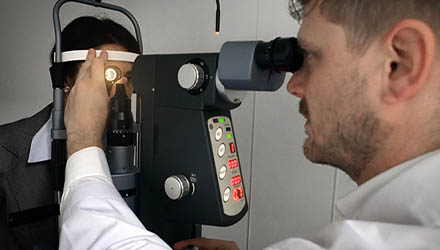
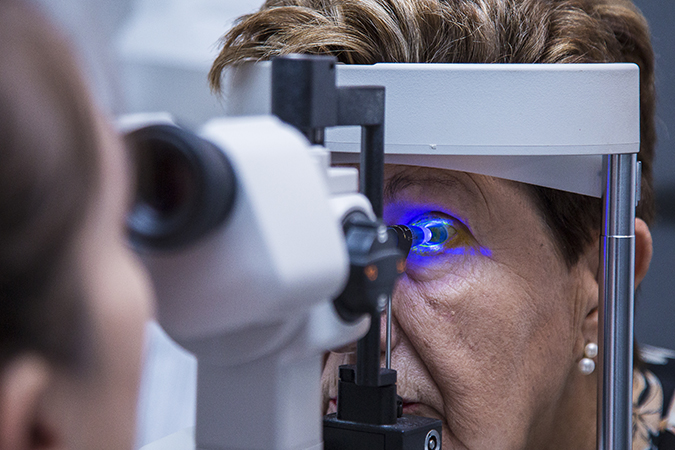
If diagnosed with OHT, it is essential to undergo regular eye examinations. In many cases, hypotensive treatment is recommended to lower intraocular pressure and prevent glaucoma.

Treatments

Medicina regenerativa: Endoret

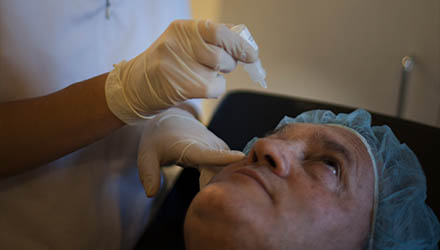
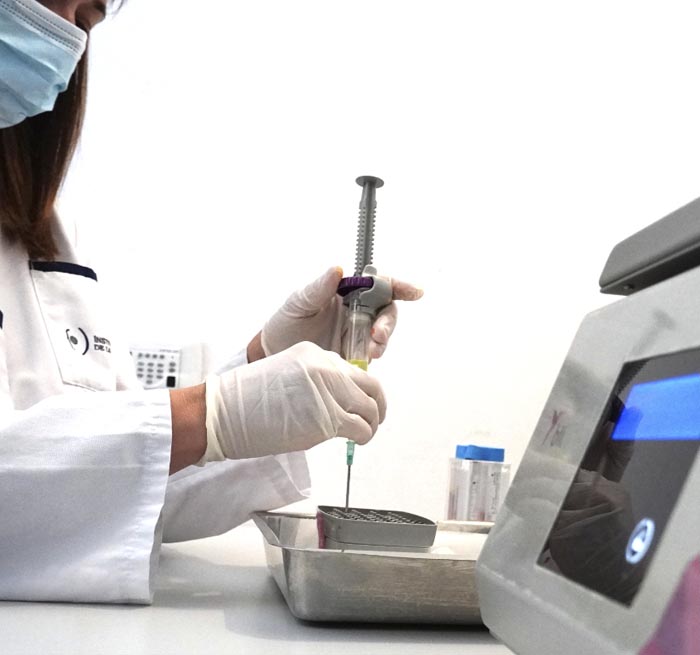
Con el tratamiento de medicina regenerativa Endoret propiciamos la reparación de la superficie ocular afectada por la sequedad ocular. Se trata de un plasma rico en factores de crecimiento para el tratamiento de las lesiones de la superficie ocular elaborado a partir de la sangre del mismo paciente. Con esta formulación individualizada se consigue una tolerancia completa y una efectividad óptima. Esta opción terapéutica revolucionaria es muy eficaz en casos de defectos epiteliales persistentes o úlceras corneales. Asimismo se puede aplicar después de una cirugía refractiva corneal, una cirugía ocular o en el Síndrome de Sjögren.

Procedures

Medicina regenerativa: Endoret

Con el tratamiento de medicina regenerativa Endoret propiciamos la reparación de la superficie ocular afectada por la sequedad ocular. Se trata de un plasma rico en factores de crecimiento para el tratamiento de las lesiones de la superficie ocular elaborado a partir de la sangre del mismo paciente. Con esta formulación individualizada se consigue una tolerancia completa y una efectividad óptima. Esta opción terapéutica revolucionaria es muy eficaz en casos de defectos epiteliales persistentes o úlceras corneales. Asimismo se puede aplicar después de una cirugía refractiva corneal, una cirugía ocular o en el Síndrome de Sjögren.

Dr. Marc Rosell,

M.D. PhD

Número de Col·legiat COMB: 51.305

Ophthalmologist. Specialist in Glaucoma.

If you found this interesting, feel free to share it here:

Last modified: 02/12/2025
Scroll to Top
Privacy Overview

This website uses cookies so that we can provide you with the best user experience possible. Cookie information is stored in your browser and performs functions such as recognising you when you return to our website and helping our team to understand which sections of the website you find most interesting and useful.